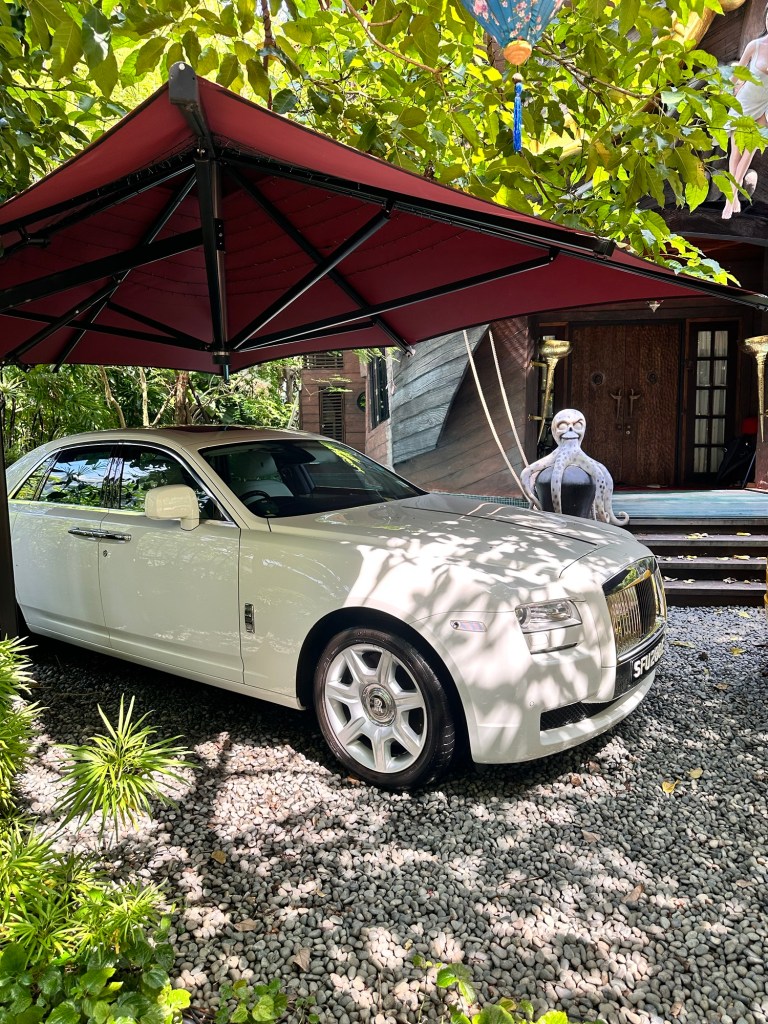
‘In Singapore is autorijden alleen voor rijken: vergunning kost 100.000 euro’ zo kopte Nu.NL een paar weken geleden. En vind je dat al schokkend? Die vergunning geeft je alleen nog maar het recht om een auto te rijden in Singapore. Die moet je nog wel even aanschaffen. Klagen we in Nederland over de hoge BPM belasting, in Singapore betaal je een belasting – Additional Registration Fee (ARF) genoemd – van 100% oplopend tot 220%. En ja, dat lees je goed. De aanschaf van een SEAT Ibiza, kost je hier een slordige 150.000 SGD (Euro 103.582). Onbetaalbaar dus, althans voor het gewone volk.
Ik hou van autorijden. Ik was 18 zomers jong toen ik met ‘lessen’ begon. Een natuurtalent. Ik mocht de eerste les al meteen zelf schakelen en de provinciale weg op. Je krijgt niet alles van huis mee, zo bleek. Joost, mijn vader, had 14 theorie examens nodig voordat hij het felbegeerde papiertje kon halen. Irene, mijn moeder, had 14 jaar op en af rijlessen om het uiteindelijk in een automaat voor elkaar te krijgen om zelfstandig de weg op te mogen. En ik? Ik haalde mijn rijbewijs in één keer.
Boodschappenvrouwenteam
Met hun stoel zowat op het stuur aangeschoven reden de andere dames netjes met de handjes op tien-voor-twee achter de voorganger die je niet voorbij mocht en zijn tempo aanpaste aan zijn gezelschap.
‘Onze’ tweede auto thuis was een poepbruine Volvo 343. Een variomatic automaat, zonder stuurbekrachtiging. Die klonk alsof je langzaam ging opstijgen, en het stuur kon zowat drie keer rond in een scherpe bocht. Die auto was beschikbaar voor mij als beginnend rijder en daar maakte ik dankbaar gebruik van.
Maar echt een feest was het als ik in de Audi Coupé GT van mijn vader Joost de blits kon maken. De eerste rotonde die ik met deze auto nam, vloog ik er zowat overheen. Een klein tikje aan het stuur was al genoeg om de auto de bocht om te slingeren. Dat was ik niet gewend in de stuurbekrachtigingsloze tank van mams. De kick-down – oftewel ‘um op z’n staart trappen – deed ik ook graag. Liefst voor een stoplicht of bij het inhalen op de snelweg. En dan met mijn Maria Magdalena blik vooruit blijven kijken.
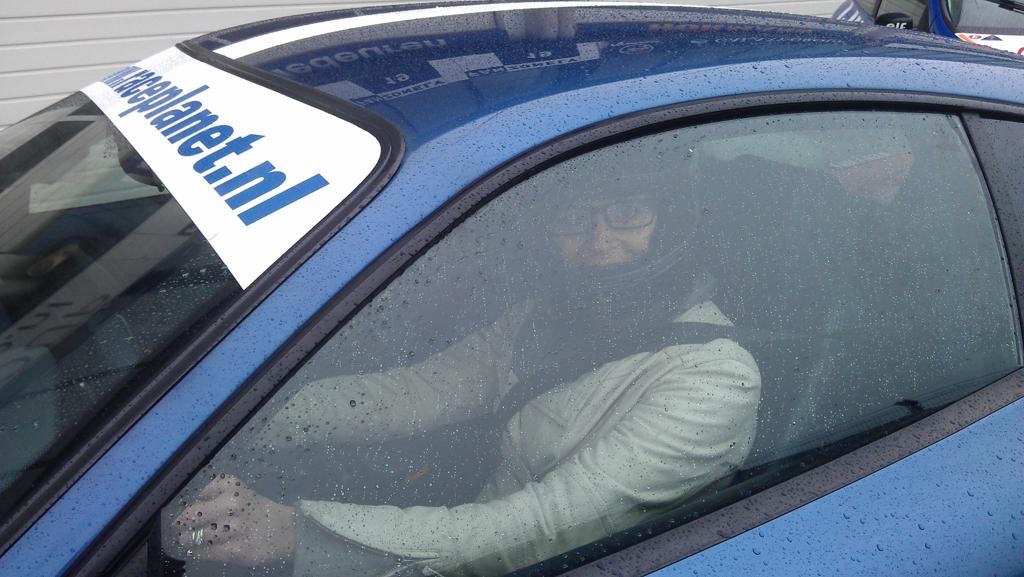
Ik rijd graag en makkelijk in alles wat vier wielen heeft. Ook op het circuit in Zandvoort bleek mijn natuurtalent. Met collega’s plus aanhang kregen we de geweldige kans om in de meest ‘lekkere’ auto’s te rijden. Een Ferrari, Aston Martin, Lamborghini, Porsche. Het kon niet leuker. De eerste ronde werden mijn rijvaardigheden teleurstellend onderschat, oftewel er was sprake van giga vooroordelen, en werd ik in het boodschappenvrouwenteam gezet. Met hun stoel zowat op het stuur aangeschoven reden de andere dames netjes met de handjes op tien-voor-twee achter de voorganger die je niet voorbij mocht, en die zijn tempo aanpaste aan zijn achtervolgers. Die bij elke bocht remden tot bijna stilstand en als ze langs de mannen reden ook om even uitgebreid te zwaaien. Dat ging jeuken, dat kan ik je wel vertellen. Ik wilde gassen, scheuren, racen…. Gaan met die banaan.
Thelma & Louise
Stoer en onafhankelijk en als het even kan dus ook in een bloedmooie auto.
Voor de Ferrari ronde hebben een andere pittige vrouwelijke collega en ik er dan ook voor gezorgd dat we werden losgekoppeld van de zwaaiende boodschappendames die 75 km per uur al hard zat vonden. Inmiddels miezerde het licht maar ik was vastbesloten de 200 km aan te tikken. De afstand tussen de voorganger en mij liet ik lekker oplopen om op het rechte stuk te kunnen gassen. De teller liep op, 160, 170, 180 … de remlichten van de voorganger en de bocht kwamen dichterbij en dichterbij. ‘Shit…dat gaat hem niet worden’ dacht ik. De remmen werkten goed en ik slipte over de weg via de grindbak de bocht weer in. Helaas geen 200 km aangetikt maar het leverde wel een stoer verhaal op. En aan het einde van de dag, ontving ik de tweede prijs voor alle behendigheids- en race-uitdagingen. De eerste prijs ging naar de directeur, maar ja die had ook voor het hele event betaald. Dus.
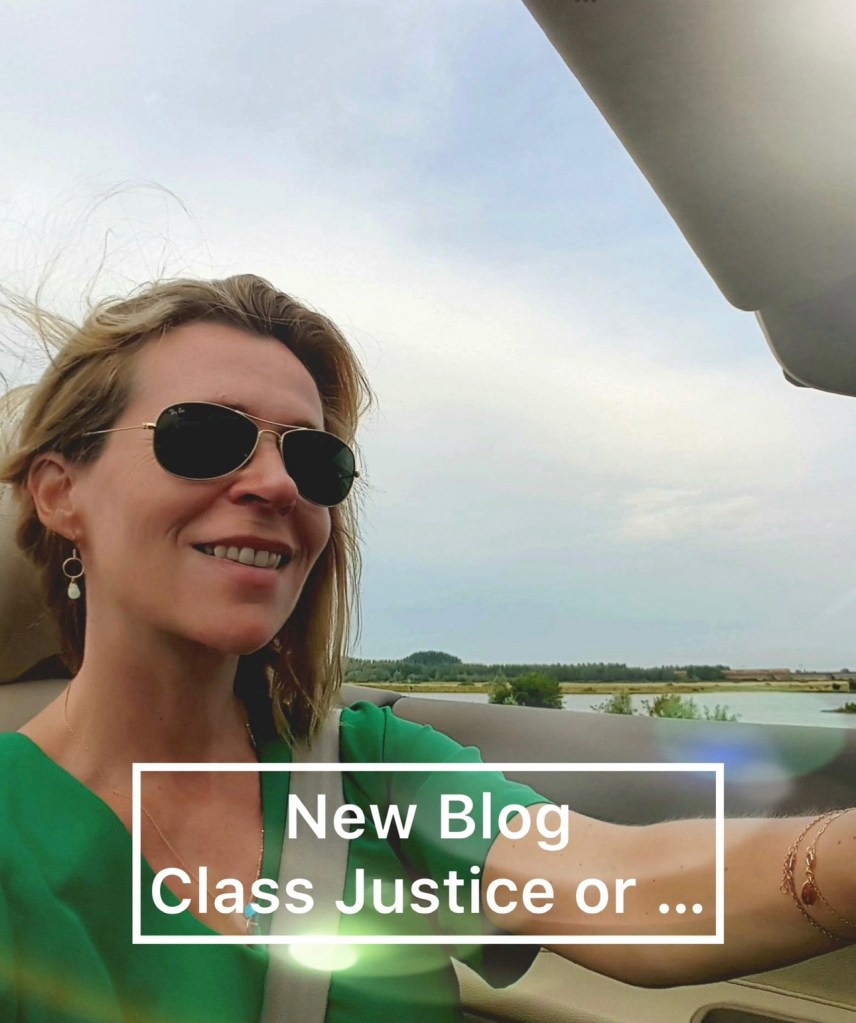
Ik hou van auto’s, van snelle en van mooie, en ik hou van de vrijheid die het autorijden brengt. Thelma & Louisa, dat gevoel. Stoer en onafhankelijk en als het even kan dus ook in een bloedmooie auto. En hier in Singapore moet ik het zonder doen.
Vietnam
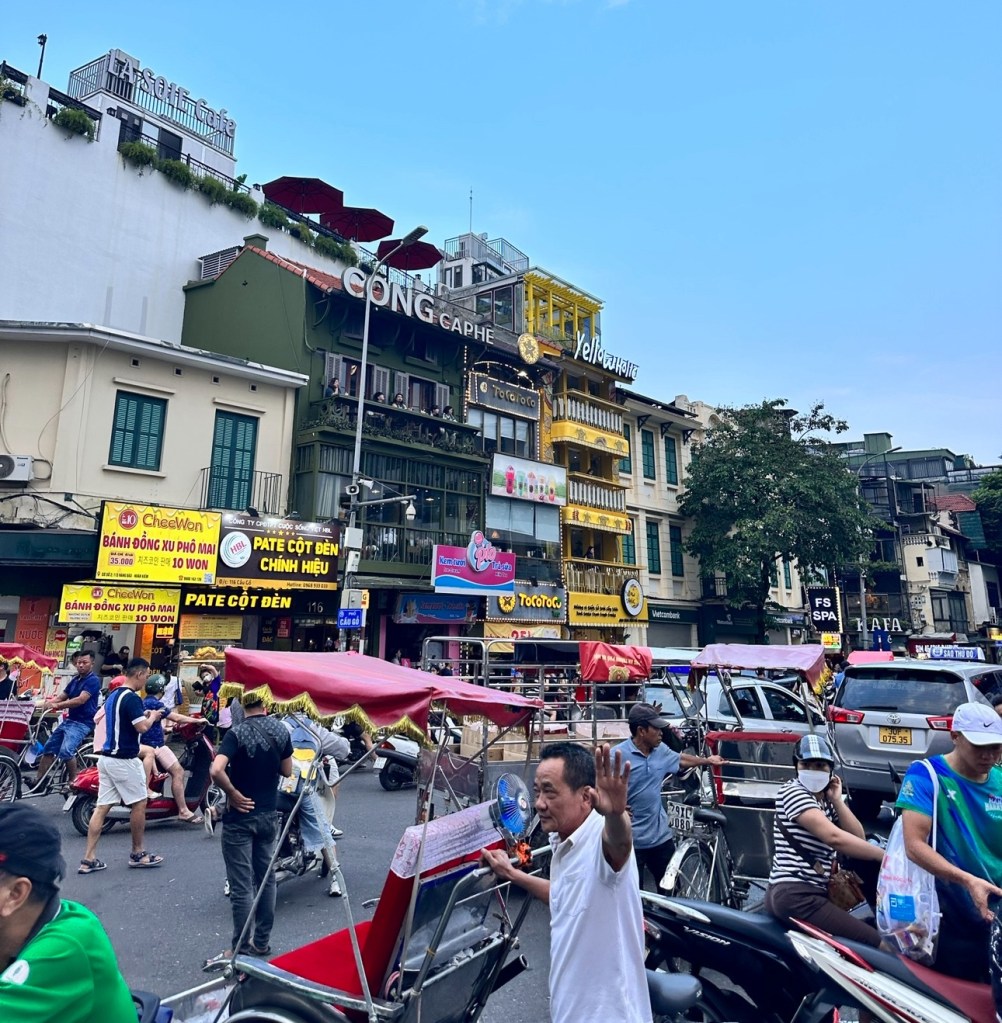
We zijn op vakantie in Vietnam. Overbevolkt en overgemotoriseerd, is mijn eerste, tweede en derde indruk van Ho Chi Mihn oftewel Saigon zoals de locals de stad nog altijd duiden.
De officiële telling van het aantal Saigonezen komt op 9,3 miljoen. De gidsen die ons rondtoeren zeggen echter dat er ruim 13 miljoen mensen wonen. Saigon telt ruim 2000km2. Met 8 miljoen brommers die knetteren als bromvliegen en toeteren als begroeting door de straten is er een constante kakofonie van herrie. Dan rijden er ook nog eens ruim 800.000 auto’s rond. Een Rood stoplicht? Dat is subjectief, zo (b)lijkt. Het betekent vooral: doorrijden. En als voetganger moet je maar gewoon oversteken, je hand daarbij uitstekend en er op vertrouwen dat de scooters om je heen cirkelen.
Klassenjustitie?
Wat moet je met een auto op een eiland van 710 km2?
Singapore
En dan zijn we weer terug in Singapore. Met 710km2 en zo’n 6 miljoen inwoners, is Singapore één van de dichtsbevolkte landen ter wereld (plek 3). En desondanks zijn de straten nagenoeg leeg en is er amper geluidvervuiling door getoeter en oude stinkende motoren. Auto’s zijn nieuw, scooters idem. En ze zijn maar met weinig: 650.000 auto’s en 142.000 motors / scooters. En dat maakt een wereld van verschil en brengt – zeker na HoChiMinh – een weldaad van rust op de weg, zelfs in het hartje van deze dichter dan dichtbevolkte stad is het verkeer overzichtelijk en goed gescheiden van voetgangers. Geen krioelende mensenmassa’s tussen toeterende scooters of auto’s.
Klassenjustitie?
Zo kun je er naar kijken, maar waarom zou je? Een eigen gemotoriseerd voertuig is met het perfecte en voor iedereen betaalbaar OV systeem in Singapore en de zeer betaalbare en toegankelijke taxi’s, geen enkele noodzaak. Sterker nog, wat moet je met een auto op een eiland van 710 km2? Met de uitlaatgassen van HoChiMinh nog in mijn neusvleugels en de oorverdovende en vermoeiende herrie nog in mijn oren teken ik er voor, voor dit Singaporese ontmoedigingsbeleid. En dat terwijl ik dol ben op autorijden, OV haat(te) en zo’n ‘lekkere’ bak me geweldig staat! Het is heerlijk om zonder te kunnen en niet tussen de uitlaatgassen en files te leven. Wat mij betreft dus geen klassenjustitie maar uitstekend mobiliteitsbeleid.
Ik denk dat ik ook maar eens ophoud om mijn zoons te porren voor het rose papiertje. Laat ze maar lekker blijven fietsen, treinen en bussen. Niks mis mee.
Mijn eerdere blogs zijn terug te lezen op mijn website SingaporeandMe. En ook voor de prachtigste Singapore parken en leukste eetplekjes kun je hier terecht! Voor meer Singapore foto’s en tips kun je me volgen op Instagram. Vind je het leuk om mijn blogs en Posts te lezen? Het delen en liken ervan wordt zeer gewaardeerd 😍 EN een reactie onder mijn blog is heel welkom ❤️. Juist ook als ik je niet persoonlijk ken.
🇬🇧 Class Justice or Excellent Mobility Policy?
“In Singapore, driving is only for the wealthy: a license costs 100,000 euros,” Nu.NL headlined a few weeks ago. Do you find that shocking? That only gives you the right to drive a car in Singapore; you still have to purchase one. While we complain in the Netherlands about high BPM taxes, in Singapore, you pay a tax in Singapore, so called Additional Registration Fee (ARF), ranging from 100% to 220%. And yes, you read that correctly. The purchase of a SEAT Ibiza here will cost you a whopping 150,000 SGD (103,582 euros). Unaffordable indeed.
I was 18 summers young when I started taking “lessons.” A natural talent. I was allowed to shift gears and drive in fifth gear on the provincial road during my first lesson. Turns out, you don’t inherit everything from your parents. Joost, my father, needed 14 theory exams before he could obtain the coveted piece of paper. Irene, my mother, took driving lessons on and off for 14 years before finally managing to drive independently and only in an automatic car. I passed my driving test in one go.
“Grocery ladies” team
With their seats almost pushed up against the steering wheel, drove neatly with their hands at ten to two, following the leader who you weren’t allowed to overtake, adjusting their pace to match his.
“Our” second car at home was a poop-brown Volvo 343. A variomatic automatic, without power steering. It sounded like you were slowly taking off, and the steering wheel could turn almost three times in a sharp curve. That car was available for me as a beginner driver, and I gratefully took advantage of it.
But it was a real treat when I could show off in Joost’s Audi Coupé GT. I almost flew over the first roundabout I took with that car. A slight touch of the steering wheel was enough to swing the car around the corner. I wasn’t used to that, with most of my driving experience in mom’s tank. I also enjoyed pushing in the kick-down – we called it “stepping on its tail” – preferably at a traffic light or when overtaking on the highway. And all the while, keeping my Maria Magdalena gaze forward.
I enjoy driving and handling anything with four wheels. My natural talent also proved itself on the circuit in Zandvoort. With colleagues and their partners, we had the amazing opportunity to drive the most incredible cars. A Ferrari, Aston Martin, Lamborghini, Porsche, it couldn’t get any better. Unfortunately, my driving skills were disappointingly underestimated during the first lap, or in other words, there were massive prejudices, and I was put up with the “grocery ladies” team. The other ladies, with their seats almost pushed up against the steering wheel, drove neatly with their hands at ten to two, following the leader who you weren’t allowed to pass and who paced his speed with them. And at every turn, they would brake excessively and wave extensively when passing the men. That got on my nerves, I can tell you. I wanted to accelerate, tear up the road, race… Go Go Go.
Thelma & Louise
That feeling of being tough and independent, preferably in a stunning car.
For the Ferrari lap, another feisty female colleague and I made sure we were separated from the waving grocery ladies who thought 75 km/h was already fast enough. By now, it was drizzling lightly, but I was determined to reach 200 km/h. I let the distance between me and the leader increase so that I could speed up on the straight stretch. The speedometer climbed, 160, 170, 180… the brake lights of the leader and the turn were getting closer and closer. “Shit… it’s not going to happen,” I realized. The brakes worked well, and I slipped over the road, through the gravel pit, and back into the corner. Unfortunately, I didn’t reach 200 km/h, but it did make for a cool story. And at the end of the race day, I received the second prize for all the agility and racing challenges. The first prize went to the director, but well, he paid for the whole day. So.
I love cars, both fast and beautiful ones, and I appreciate the freedom that comes with driving. It reminds me of Thelma & Louise, that feeling of being tough and independent, preferably in a stunning car. And in Singapore, I have to do without.
Vietnam
We are on vacation in Vietnam, particularly in Ho Chi Minh City, or as the locals still call it, Saigon. My first, second, and third impression of Ho Chi Minh is that it’s overcrowded and has an excessive number of motor vehicles. The official count of Saigon’s population is 9.3 million, but our guides claim it’s over 13 million. Saigon covers over 2000 square kilometers. With 8 million buzzing scooters and constant honking on the streets, it’s a cacophony of noise. There are also more than 800,000 cars. Red traffic lights? They seem to be subjective, mostly meaning “keep going.” As a pedestrian, you have to cross the street with your hand out, trusting that the scooters will navigate around you.
Class Justice
As far as I’m concerned, it’s not class justice but excellent mobility policy.
Singapore
And now we’re back in Singapore. With 710 square kilometers and about 6 million residents, Singapore is one of the most densely populated countries in the world (ranked 3rd). However, the streets are nearly empty, and there’s hardly any noise pollution from honking and old, smelly engines. Cars and scooters are new, and there aren’t many of them – 650,000 cars and 142,000 motorcycles/scooters. This makes a world of difference and brings a sense of peace on the road, even in the heart of this densely populated city. There are no throngs of people mingling among honking scooters or cars.
Is it a class justice?
You could see it that way, but why bother? With the perfect and affordable public transportation system in Singapore and the very affordable and accessible taxis, owning a motorized vehicle is not necessary. In fact, what would you do with a car on a 710 square kilometer island? After experiencing the exhaust fumes and noise of Ho Chi Minh, I’d opt for this auto discouraging policy. And this is coming from someone who loves driving, used to hate public transportation, and adores a beautiful car. It’s great to be able to do without and not live in the midst of exhaust fumes and traffic jams.
As far as I’m concerned, it’s not class justice but excellent mobility policy. I think I’ll stop pushing my sons to get their driver’s licenses. Let them enjoy cycling, trains, and buses. Nothing wrong with that.
You can find my previous blogs on my website SingaporeandMe, where you can also discover the most beautiful parks and coolest places to eat! For more photos and tips about Singapore, follow me on Instagram. Do you enjoy reading my blogs and posts? Sharing and liking them would be greatly appreciated 😍 and a comment is always welcome ❤️.


 SingaporeandMe
Geef een reactie op Anouska Nieto Reactie annuleren